LYMPHATIC HEALTH GUIDE:
Here is a complete, evidence-informed guide to understanding what is Edema?, the poor lymphatic flow in your body?, and the most effective daily strategies which you need to include wearable compression! to reduce swelling and feeling lighter.
What is the lymphatic system and why does it matter for swelling?
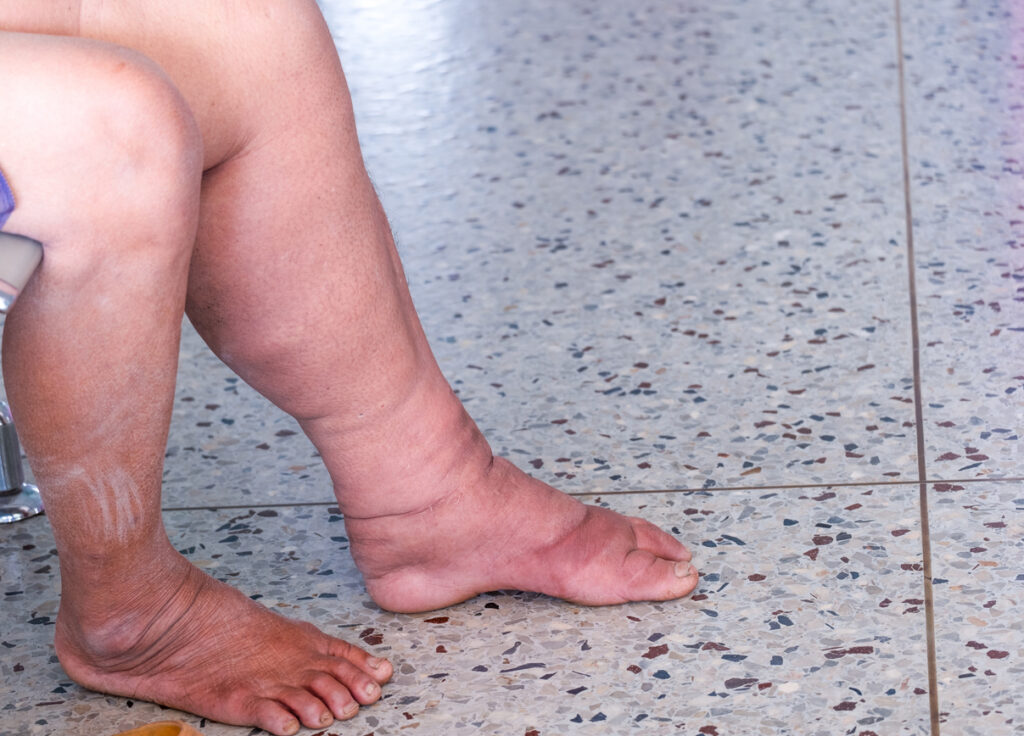
Understanding about your lymphatic system: is a network of vessels, nodes, and fluid that runs throughout your entire body. Thinking of it is your body’s internal drainage and immune system combined that collects all the excess fluid from your tissues, filters out the waste pathogens, and returns clean fluid back into your bloodstream.
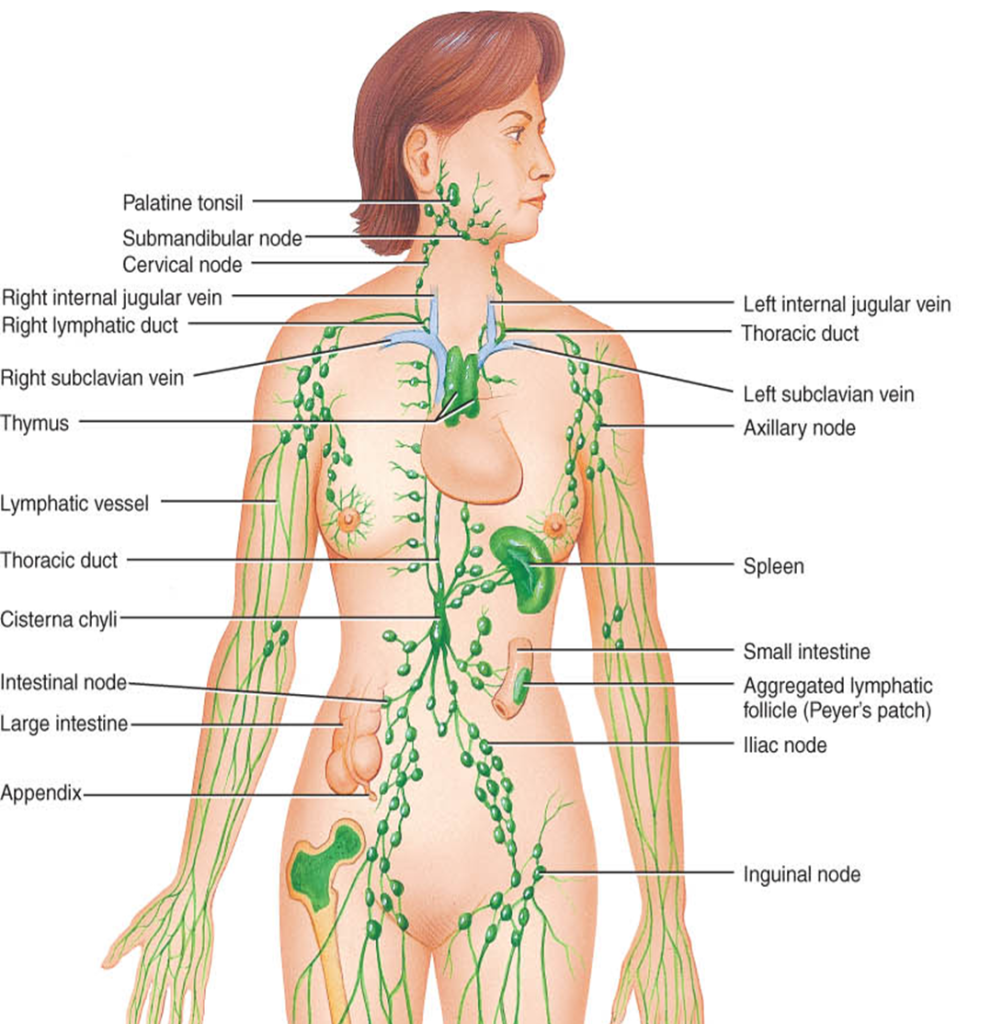
Take a look at the critical difference between the lymphatic system and your cardiovascular system below.
| System | Has a pump? | Primary function | Depends on movement? |
|---|---|---|---|
| Cardiovascular (blood) | Yes — heart | Oxygen and nutrient delivery | No |
| Lymphatic | No pump | Fluid drainage and immune filtering | Yes |
Because the lymphatic system has no dedicated pump, it releases entirely on muscle contractions, breathing, and body movement to circulate the lymph fluid. So when you sit for long hours, remain inactive, and have circulatory issues, lymphatic flow automatically slows, and the fluid can begin to accumulate in your limbs.
~20 L
of fluid your lymphatic system processes daily
600+
lymph nodes filtering waste throughout your body
3x
more lymphatic vessels than blood vessels in the body
Common signs your lymphatic flow is impaired
The common signs of lymphatic flow are:
- Sluggish lymphatic circulation often shows as persistent swelling
- A heavy feeling in your lower body
The symptoms are especially common in people who:
- Sit for long hours
- Travel frequently
- Have a history of circulatory issues
| Swelling in ankles, feet, or calves | Legs that feel heavy or achy by evening |
|---|---|
| Puffiness that worsens after standing or flying | Skin that feels tight or leaves an indentation when pressed |
| Water retention without a clear dietary cause | Slow recovery after exercise or injury |
| Persistent fatigue in your lower limbs | Visible cellulite or skin texture changes |
So if you have experience sudden or severe swelling, always consult a health consultant nearby you to rule out the underlying medical conditions of such a deep vein thrombosis, heart failure, and kidney disease.
Why your body holds onto excess fluid
Edema- the medical term for a fluid retention swelling, so occurs when the lymphatic system cannot drain interstitial fluid (the fluid surrounding your cells.)
Quickly enough and several common lifestyle factors that can impair this process includes:
- Prolonged sitting or standing – Without regular movement, the calf muscle pump that drives lymphatic flow upward through the legs becomes inactive.
- Dehydration – Concentrated lymph fluid becomes thicker and moves more slowly through vessels.
- High sodium diet — Excess salt causes your body to retain water in tissues.
- Poor sleep and chronic stress – Both disrupt the body’s natural fluid-balancing mechanisms.
- Tight or restrictive clothing – Can compress lymph vessels and interfere with upward fluid movement.
- Air travel – Cabin pressure changes combined with prolonged inactivity significantly slow lymphatic return.
How compression technology supports lymphatic drainage
Compression garments apply graduated external pressure to your limbs, firming at the ankle, gradually decreases towards the knee or thigh. This pressure gradient works with your body’s natural physiology to:
- Push fluid upward: Graduated compression mimics the squeezing action of calf muscles, helping lymph and venous blood move back toward the heart.
- Reduce pooling: External pressure prevents excess fluid from accumulating in the lower legs and ankles during long periods of sitting or standing.
- Support vessel integrity: Compression helps venous and lymphatic vessel walls maintain tone, reducing the diameter of distended vessels and improving flow efficiency.
- Stimulate circulation passively: Advanced compression fabrics with surface texture create micro-stimulation against the skin, promoting local circulation even during inactivity.
The compression therapy is the one whcih widely used in the clinical setting for managing the chronic venous insufficiency, lymphedema, and post-surgical recovery. This can increasingly be recommended for everyday swelling prevention.
Elastique Athletics: a targeted solution for daily swelling relief
Recommended Solution
Elastique Athletics Compression Wear
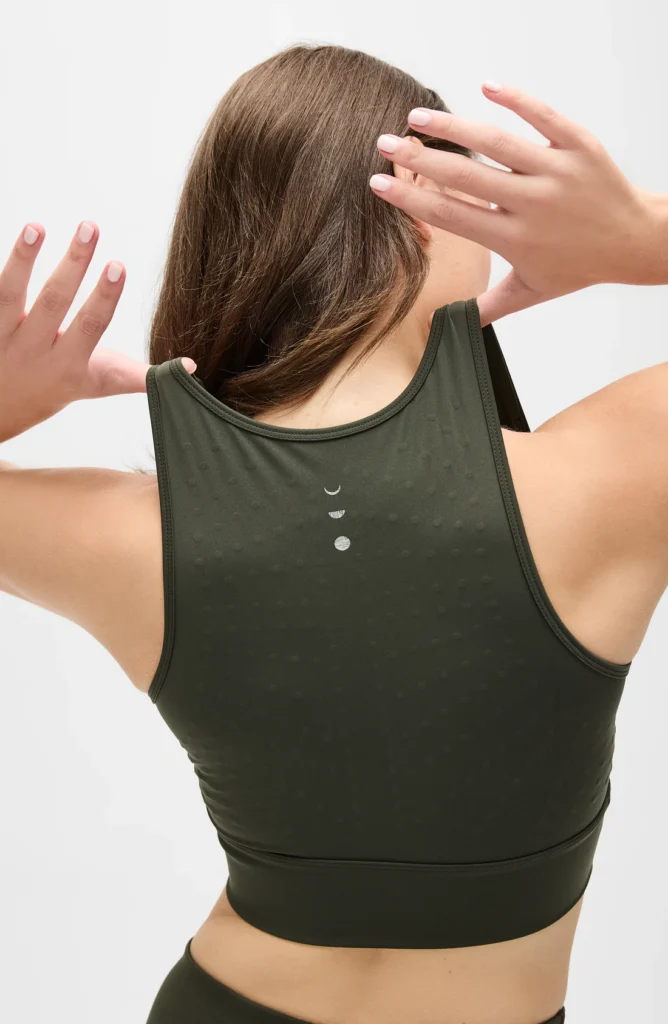
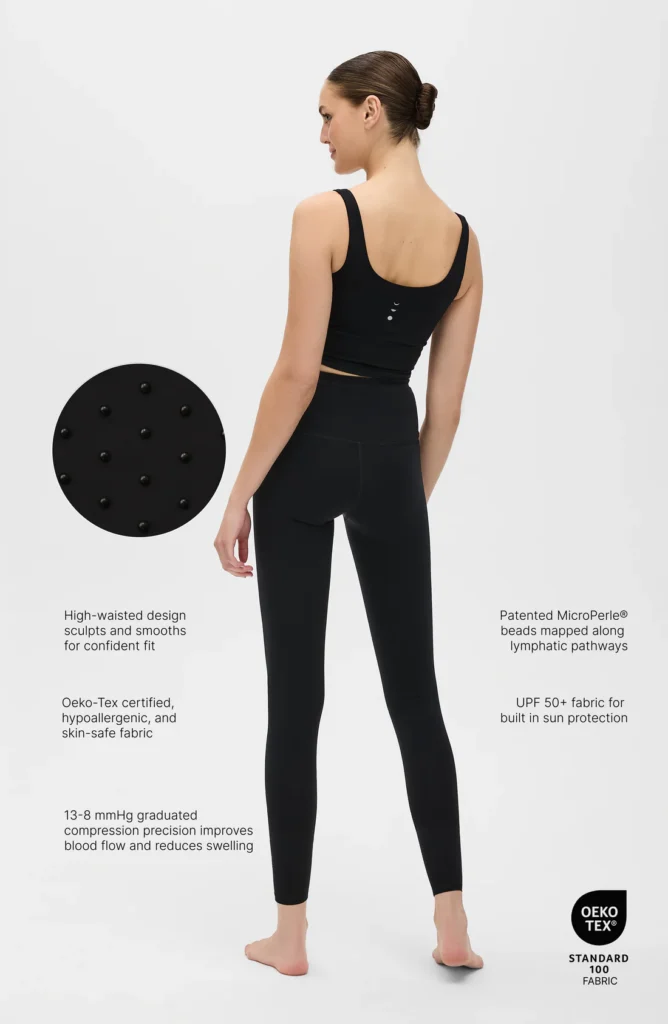
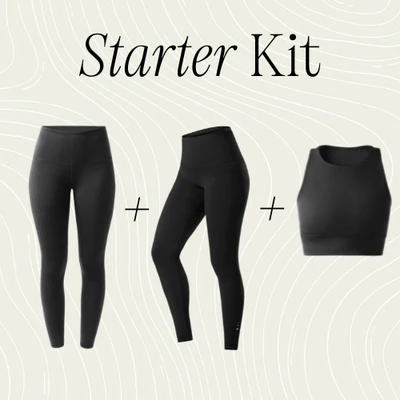
Designed specifically for people dealing with leg swelling, water retention, and poor lymphatic circulation, Elastique Athletics combines two clinically-informed technologies in a single wearable garment – providing passive lymphatic support throughout your entire day.
- Graduated compression engineered to support upward fluid movement from ankle to calf
- Micro-massage bead technology that stimulates lymphatic flow and surface circulation continuously
- Suitable for desk workers, frequent flyers, athletes in recovery, and anyone prone to leg heaviness
- Designed to be worn comfortably throughout the day without restricting movement
- Combines passive lymphatic support with active compression — no massage appointments needed
Unlike standard compression socks that offer pressure alone, Elastique Athletics integrates surface stimulation that keeps the skin and underlying tissue gently activated — working even when you are seated at your desk or on a long-haul flight.Learn which product is right for me
Conclusion:
A daily routine to reduce swelling naturally.
Compression supports work best as a part of a consistent daily routine. Here is a simple protocol that you can follow alongside wearing these elastique athletics.
Frequently asked questions
Sluggish lymphatic circulation does not directly cause fat gain, but it can cause significant water retention — which adds visible weight and contributes to puffiness and bloating. Improving lymphatic flow often results in a noticeable reduction in this type of fluid-based weight.
Many people notice improvement within the first few days of consistently wearing compression and increasing movement. More significant and lasting changes in lymphatic tone typically develop over 2–4 weeks of regular use.
Yes – graduated compression garments are safe for daily use for most healthy adults. If you have peripheral artery disease, diabetes-related neuropathy, or open wounds on your legs, consult your doctor before starting compression therapy.
Standard compression socks apply graduated pressure but are passive by design. Elastique Athletics adds micro-massage bead technology to the compression layer, which provides continuous tactile stimulation to the skin and superficial lymphatic vessels — a feature not found in most consumer compression products.
People who sit or stand for extended periods, frequent travelers, those experiencing pregnancy-related swelling, athletes managing recovery, and anyone with a history of lower-limb edema or poor circulation tend to see the greatest benefit.

Millions of people – especially in the U.S. – are living the same lifestyle I was.
Sitting for 8–10 hours a day, Feeling tired without clear reason, Dealing with swelling, heaviness, or bloating, Thinking it’s just “normal”
But it’s not something you have to ignore. Your body is always communicating. You just need to understand the signals. So I have created this blog article may useful for you. If you need more information, contact me in the contact page.