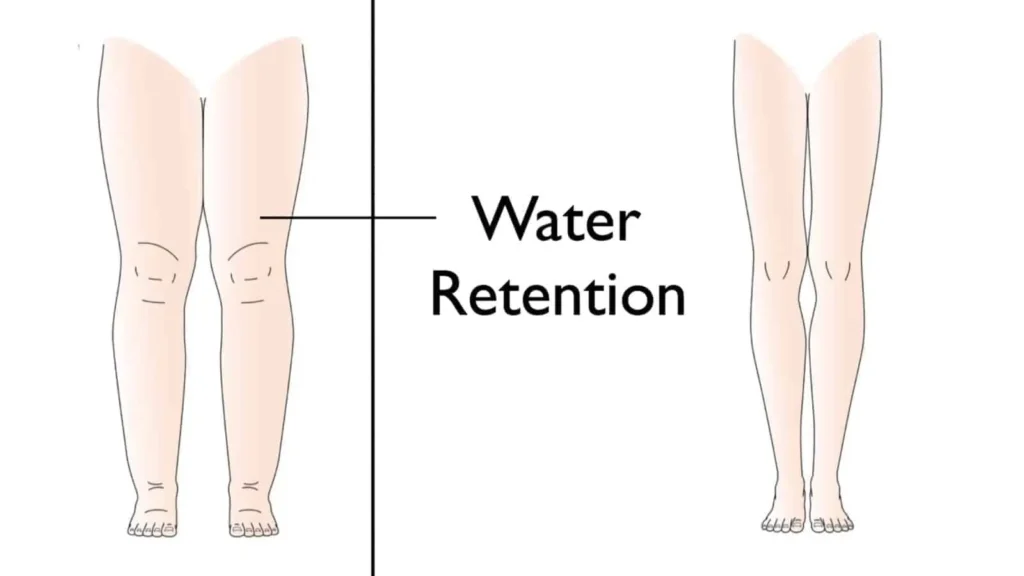
Swollen feet can occur for several reasons. It may be more than perturbing puffiness in the limbs. Fluid retention occurs when parts of your body swell due to a build-up of trapped fluid. The fluids get trapped and make the area swollen or puffy.
Water retention is mainly frequent in your ankles and feet. Draining fluid retention in the legs is probably from end to end, according to several measures, from taking specific supplements to diet and exercise.
The Reason Your Legs Swell after Sitting All Day
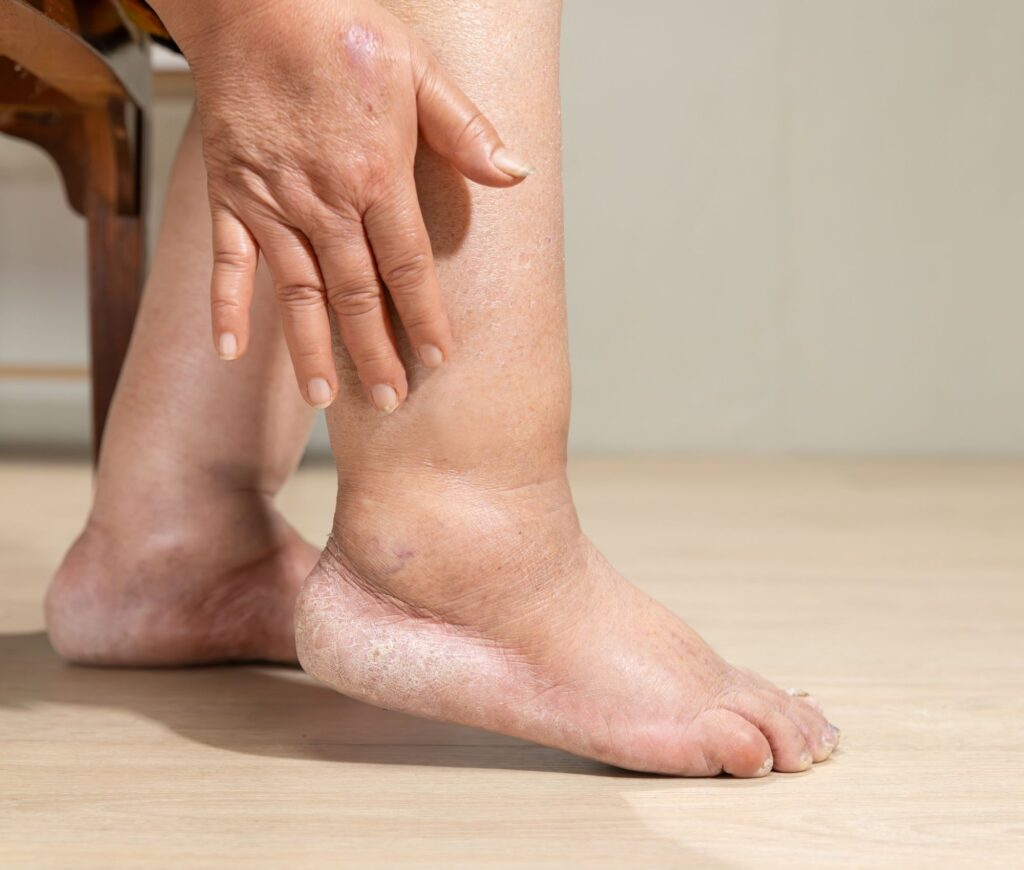
Hydraulic engineering marvels are the human body, but it has one big foe: gravity.
Long sitting leads to the gravitational force dragging blood and fluids down toward the lower extremities, pooling there. Without this pumping of the calf muscles to push these fluids back up, there is pressure in your veins, and the excess liquid is pushed into the tissues around.
This is a biological mechanism referred to as “dependent edema,” which makes your legs and ankles look and feel heavy at the end of the day.
The Science of the “Settle”: Why Your Legs Fill Up After Sitting
Human body is a miracle of hydraulic engineering; nevertheless, there is a great enemy of the human body: gravity.
The Calf Muscle Pump (The “Second Heart”)
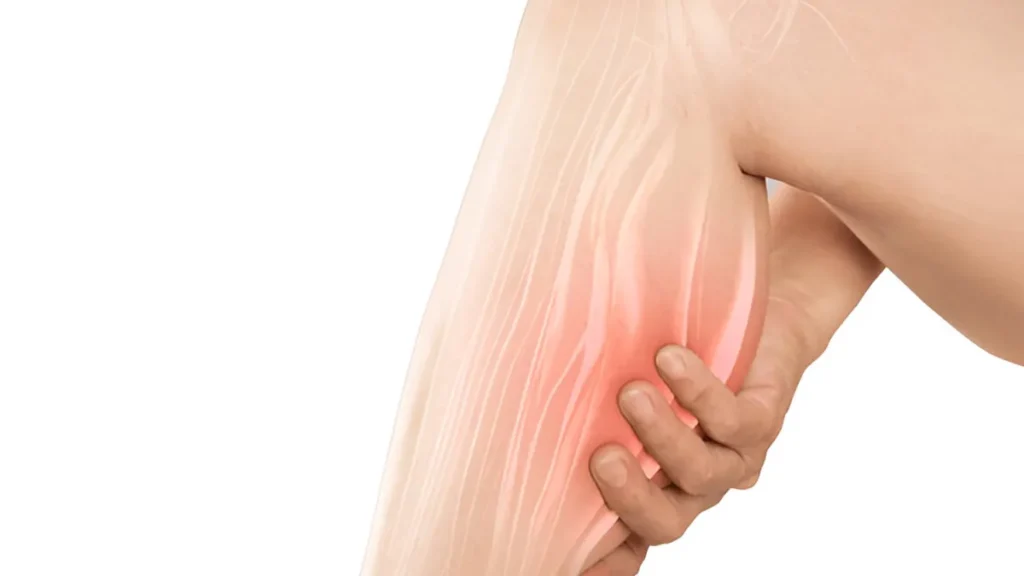
You need to know the Venous Return System in order to know why sitting all day is the cause of swelling. The venous return function in your legs, in contrast to the arterial system, which has a heart to pump the blood throughout your body, is proportional to the so-called calf muscle pump. As you walk, your calf muscles squeeze the veins and press the blood flow raise against gravity to the heart.
As you sit or stand for hours:
- Stasis: Blood stasis in the lower scale of extremities.
- Raised Hydrostatic Pressure: The pressure within the veins raises, pushing the fluid out of the small capillaries and into the tissue (the interstitial space) that covers them.
- Lymphatic Overload: The lymphatic system, which debrides surplus fluid, is under pressure and is not shifted to encourage the lymphatic flow.
The best physiological interventions to reduce the fluid accumulation associated with sitting are to regularly activate the calf muscle pump by performing seated heel raises and wearing graduated compression garments that provide the external forces needed to prevent fluid from entering the interstitial space.
Best ways to reduce swelling in feet overnight
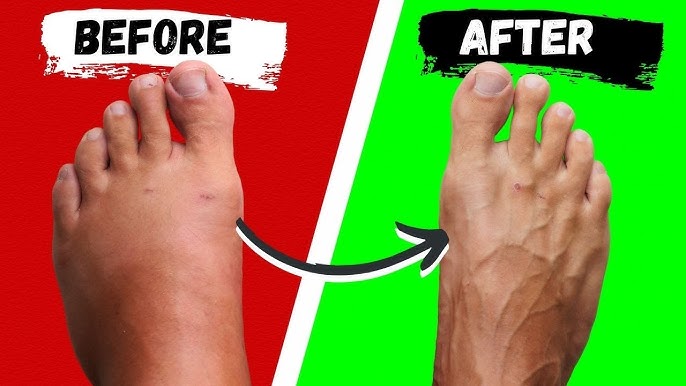
In case you had a long day and your ankles are gone, the idea is to turn the hydraulic pressure around. By raising your legs higher than your heart for at least twenty minutes, using upward self-massage, and taking cool Epsom salt soaks, you can get a great deal of relief overnight.
Prevention: Long-term prevention is based on regular movement to exercise the so-called calf pump, the use of compression stockings, and a high-potassium, low-sodium diet to ensure that the level of fluids is maintained. Although such lifestyle changes usually resolve short-term puffiness, long-lasting swelling in one leg and/or redness and pain are important indicators that should be addressed by a vein specialist for a professional diagnosis.
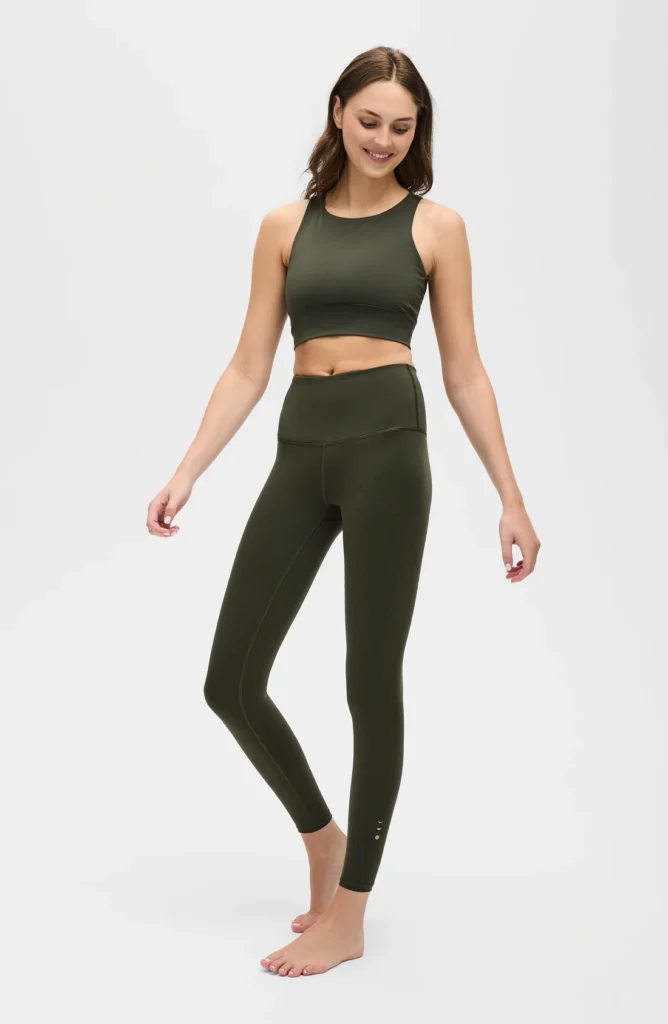
L’Original Lymphatic Leggings
More than a legging, a daily investment in how you look, feel, and recover.
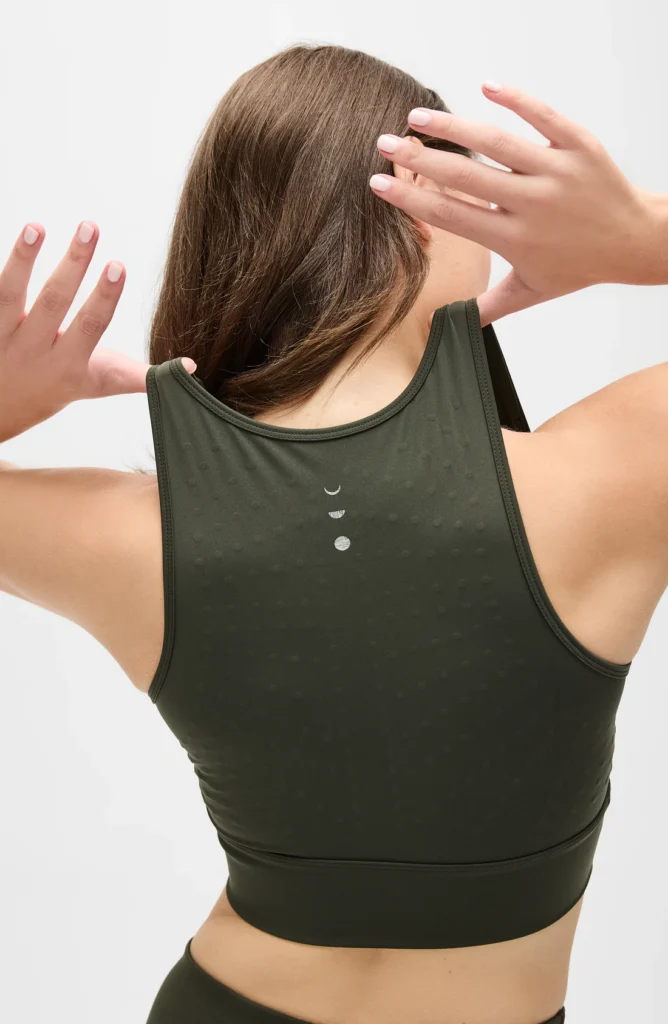
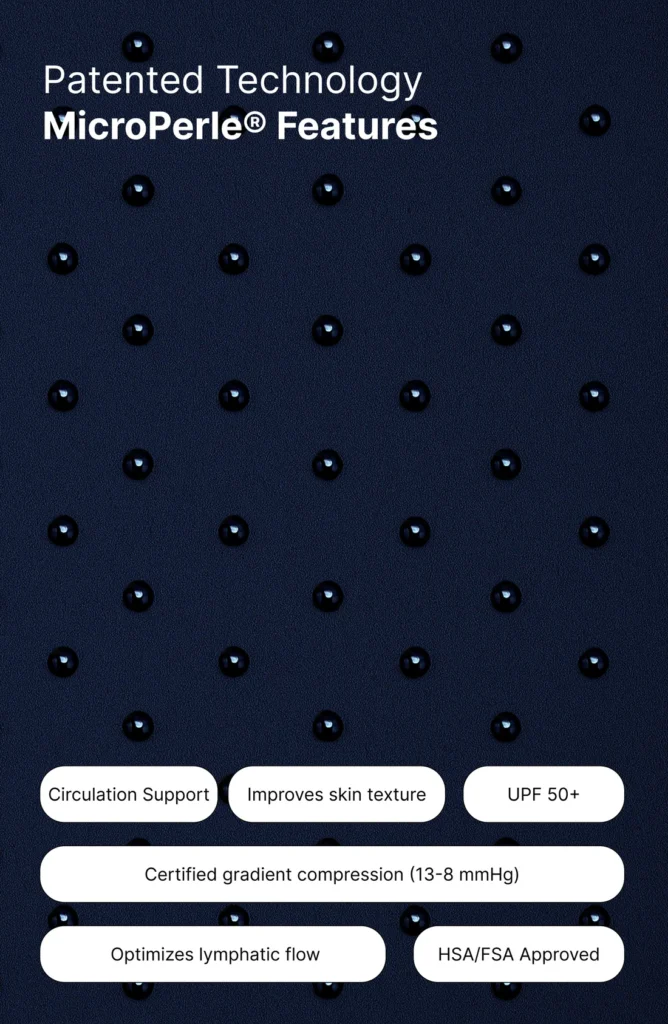
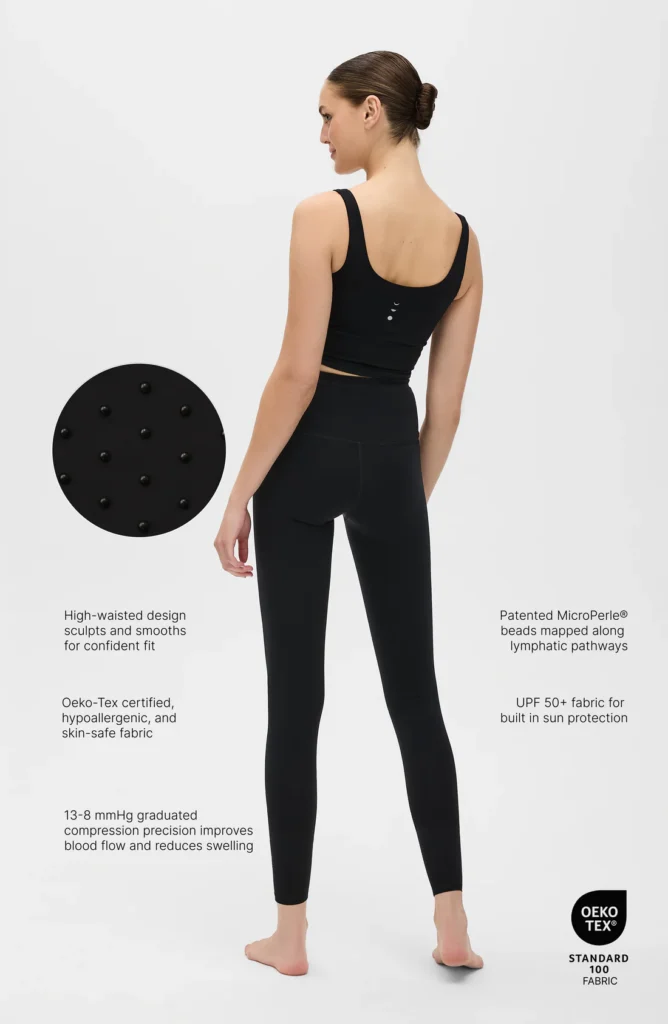
Designed with a sculpting high waistband, it provides a secure, flattering fit that moves with you. Gradient compression (8-13 mmHg) supports circulation from ankle to hip, helping reduce swelling and promote recovery.
Patented MicroPerle® technology features beads placed along the thighs and lower glutes, following lymphatic pathways. With every movement, they deliver a gentle massage effect to encourage drainage and restore lightness.
Crafted from ultra-soft, breathable, OEKO-TEX® certified fabrics with UPF 50+ protection.
Feel lighter. Move freely. Recover effortlessly.
Contrast Hydrotherapy
The alternation of hot and cold water (3 minutes warm, 1 minute cold) comes out in a pumping motion in the blood vessels.
- Vasodilation (Warm): Opening of the vessels.
- Clenches the vessels: Vasoconstriction (Cold).
- This cycle treats emptying stagnant fluid in the lower limbs in a shorter period of time.
The most important differences between water Retention and Fat
Fluid weight is confused with fat gain by many. The difference between the two is essential in determining achievable health objectives.
| Feature | Water Retention (Edema) | Body Fat (Adipose Tissue) |
| Speed of Change | Can change by 2–5 lbs in 24 hours. | Requires weeks of caloric surplus to gain. |
| The “Pitting” Test | Pressing the skin leaves a visible dimple. | Skin bounces back immediately. |
| Location | Concentrated in ankles, feet, and hands. | Distributed across the body (abdomen, hips). |
| Visual Cues | Skin looks shiny, stretched, or “doughy.” | Skin texture remains consistent. |
Foods that cause water retention
Your diet is the internal mechanism of controlling the fluid, which can often be activated by unpleasant swelling of legs as a direct reaction to certain chemical imbalances. These food villains need to be known in order to minimize puffiness and aid the natural process of the circulatory system to eliminate surplus water.
The Sodium Trap and reaction involved Foods:
Too much salt is like a sponge, and your body has to hold large amounts of water to dilute the sodium in your bloodstream and keep a healthy balance of minerals. Although the salt shaker is a glaring offender, the implicit sodium in processed meat, tinned soups and restaurant meals tends to bring the greatest fluid changes. This extra water, by virtue of gravity, just naturally collects in your lower limbs, causing the tight, heavy feeling in your calves and ankles at the end of the day.
Refined Carbs and Insulin Spikes:
Consumption of white bread, pasta, and sweet snacks causes an insulin spurt, a set of functions that goes beyond regulating your blood sugar levels. The presence of high insulin will tell your kidneys to reabsorb sodium instead of expelling it, which forms an indirect yet mighty loop of water retention. Moreover, your body stores these carbs in the form of glycogen, which is known to need to store three to four grams of water per one gram of energy stored.
The Alcohol and Dehydration Rebound:
Alcohol is a water-shedder that at first flushes your system, but the body soon shifts to an emergency mechanism to combat the dehydration it causes. To balance the loss, your brain also produces anti-diuretic hormones that compel your kidneys to hang on to all the possible drops of fluid in your tissues. That is the reason why you are going to wake up at the end of the night, drinking and having a dehydrated mouth, a puffy face, and swollen feet.
Inflammatory Stimuli and Capillary Exudation:
Artificial sweeteners, MSG, and typical allergens such as dairy may cause a low-grade inflammatory reaction that makes the walls of your blood vessels more permeable. This inflammation makes your capillaries leak, allowing fluid to leak out of the bloodstream and get stuck in the tissues surrounding your legs. This kind of swelling is usually chronic and painful, since it is a product of your immune system in response to irritants in your diet.
Movement as Medicine: The Best Exercises to Do When Your Legs Are Swollen
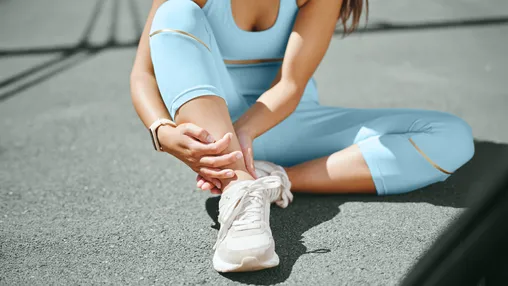
You do not require high-intensity exercise to clear fluid; you require regular rhythmic motion.
Low-Impact Walking: The Basics of Fluid Drainage
The only exercise that is effective for swollen legs is walking; evolved, it is the exercise that pumps the calf muscles. When you take a step, your calf muscles contract, which presses the deep veins in your legs and your blood and stagnant fluid flow back to your heart against the force of gravity.
In contrast to high-impact sports, which sometimes lead to inflammation, brisk walking for over 15 minutes offers a continuous, rhythmic force clearing the interstitial pits where water is trapped. To people who are on their feet or sitting all day, a brisk walk is like a manual reset button to the circulatory system so that the fluid does not solidify into less flexible edema.
Ankle Pumps and Circles: The Desk-Side Remedy
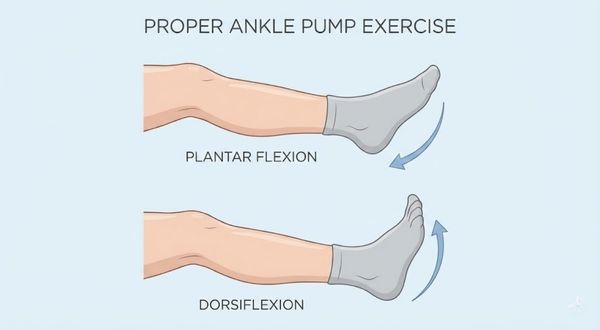
Ankle pumps are an effective device since they can be done anywhere; you may be trapped on a long commute, at your desk, or in bed. With your feet bent up your shins and then your toes moved downward, you are mechanically pushing the muscles surrounding your ankles to push the fluid out of the joint space.
Ankle circles are another beneficial method to achieve this by expanding the range of motion and avoiding that stiffening that can be associated with fluid buildup. These mini-vibrations play a crucial role in sustaining venous return, which means that blood does not stagnate in the least amount of vessels near your legs.
3. Elevations with point and flex with Gravity: Leg
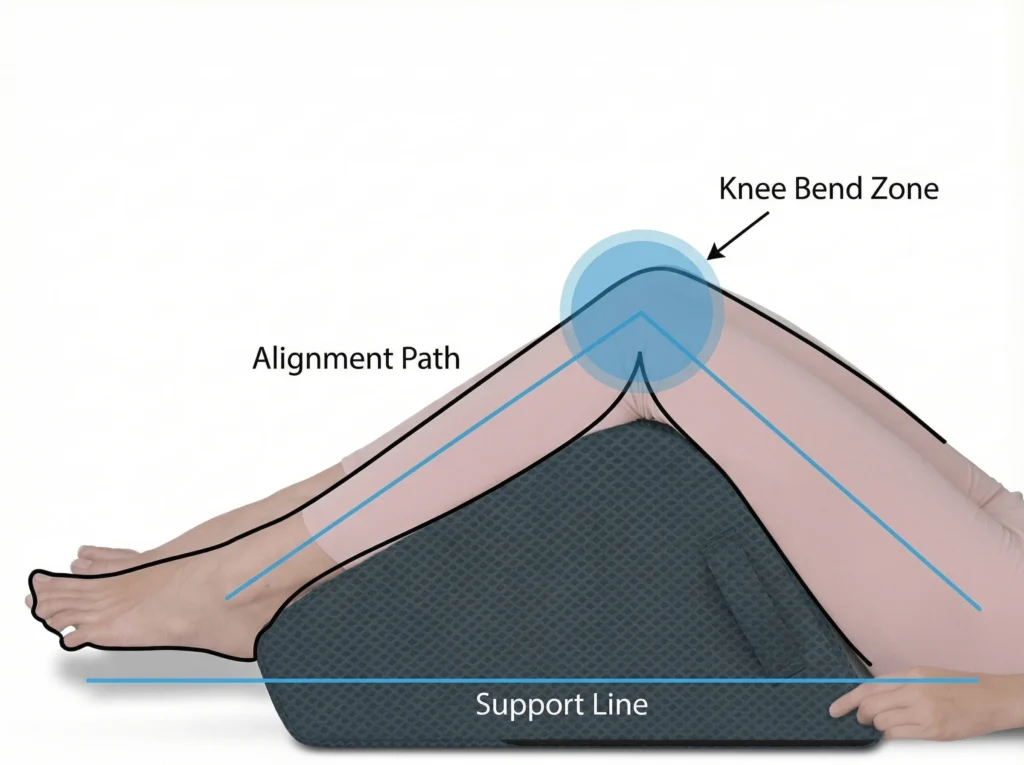
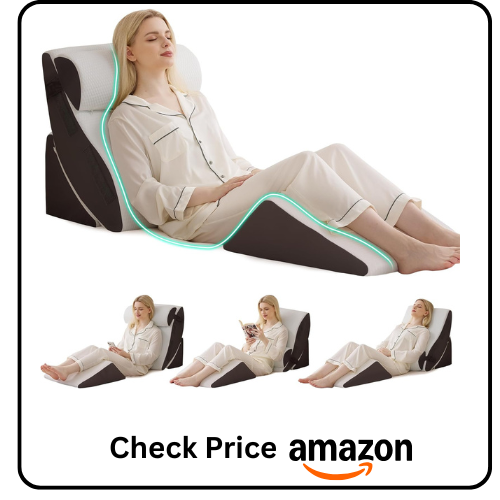
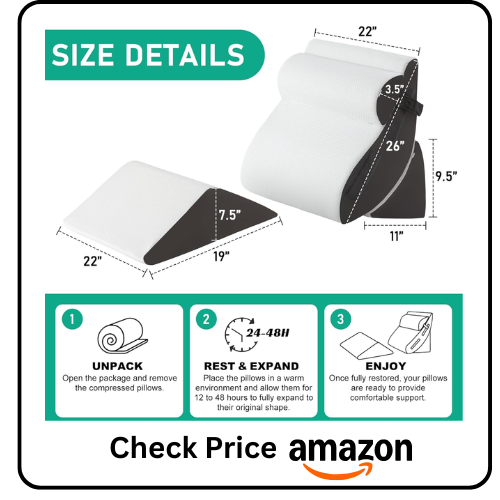
Although it is good to have your legs and pillows to help with the drainage, it helps to combine both active motions and elevated speeds to increase the drainage process. You can also make your legs higher than your heart level and perform point and flex exercises that enable the effect of gravity to help in pulling fluid off your ankles.
This stance decreases the hydrostatic pressure of your leg veins, and your lymphatic system is able to collect and carry excess water much more easily. Only 5-10 minutes of active elevation following a lengthy shift can physically shrink the diameter of your ankles and relieve the perception of heavy legs.

4. Cycling and Air Bicycles: Enhancing Deep Circulation
Riding a bicycle, be it on a stationary bike or by doing air bicycles on your back, is a low-resistance form of exercise that can be done to exercise your whole leg. The round pedalling action stimulates the circulation of the blood in the bigger muscles of the thighs and calves, without subjecting the joints to any jarring action. This regular exercise aids in the fortification of the walls of the veins with time, making them more effective in the task of carrying fluid. In case of a great swelling, you may lie on the floor and put your legs in the air, which will give you the advantages of being elevated with the mechanical effect of the contraction of the muscle.
5. Swimming and aquatic therapy: the power of hydrostatic pressure
Exercises in water have a special advantage known as hydrostatic pressure, which is like a compression suit on the entire lower body. When you are in a pool of water, the pressure of the water exerts force on your skin, which is used to push fluid through the tissues and back into the circulation. The basic exercises, such as treading water or swimming laps, can be fully body circulatory without the pressure of your own body pushing on your veins. In people who are so swollen or in severe pain in the joints, the buoyancy of water allows them to exercise longer and more efficiently than they could on land.
6. Legs-Up-The-Wall Pose (Viparita Karani) in Yoga
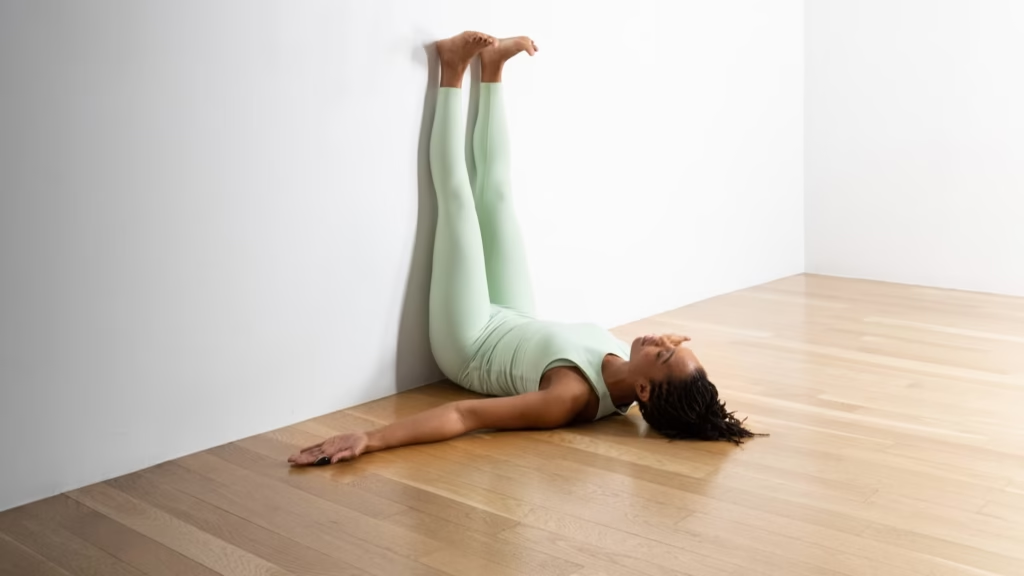
The given yoga pose is a gold standard when it comes to treating leg edema and enhancing lymphatic drainage. When you lie against a wall, place your sit bones, and have your legs stretched straight upwards, you are in a position of complete gravitational reversal of the lower body.
This posture enables the lymph nodes in the groin to be more productive since fluid will automatically flow down the legs and calves. This in the 10-15 minutes of time as you engage in deep diaphragmatic breathing also slows your heart rate and decreases stress hormones such as cortisol, which may be contributing to salt and water retention.
7. Calf Raises: Making the Second Heart Stronger
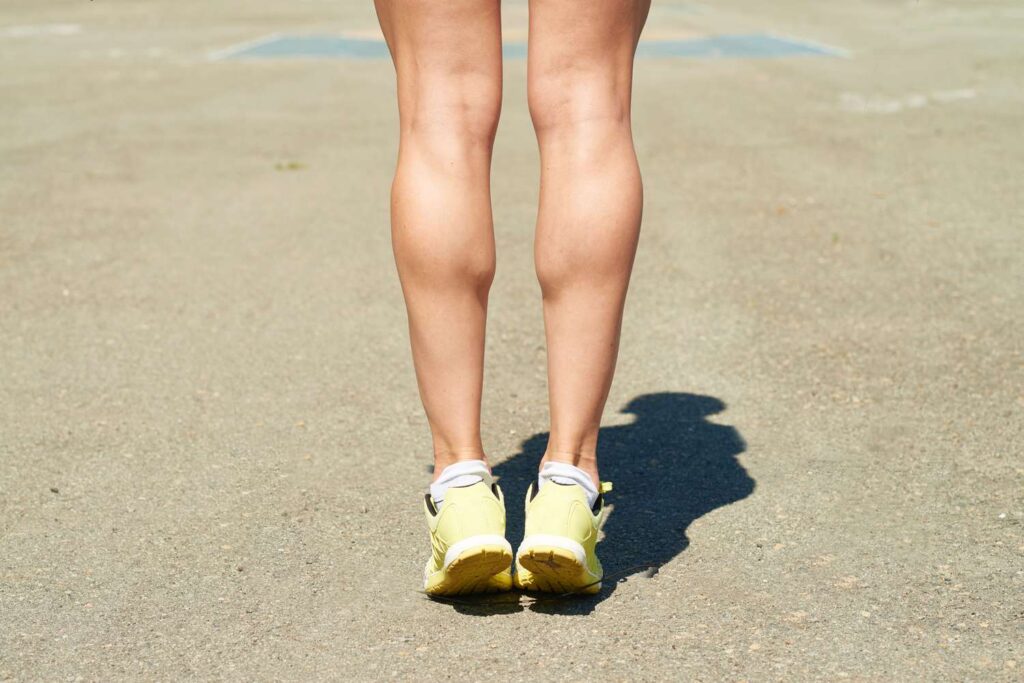
Calf raises are exclusive to the gastrocnemius and soleus muscles, sometimes known as the second heart, courtesy of their critical importance in blood circulation. The balance of standing behind a chair, and rising slowly on your tiptoes, will give you a contractive effort which sweeps out the venous valves.
The number of repetitions of 15 to 20 times per day makes these muscles fit and active. Training these muscles makes sure that even during rest postures, the structural support of your veins is enhanced, and the chances of the fluid leaking into the surrounding tissue is minimized in the first place.
8. Knee-to-Chest Stretches: Opening the Way
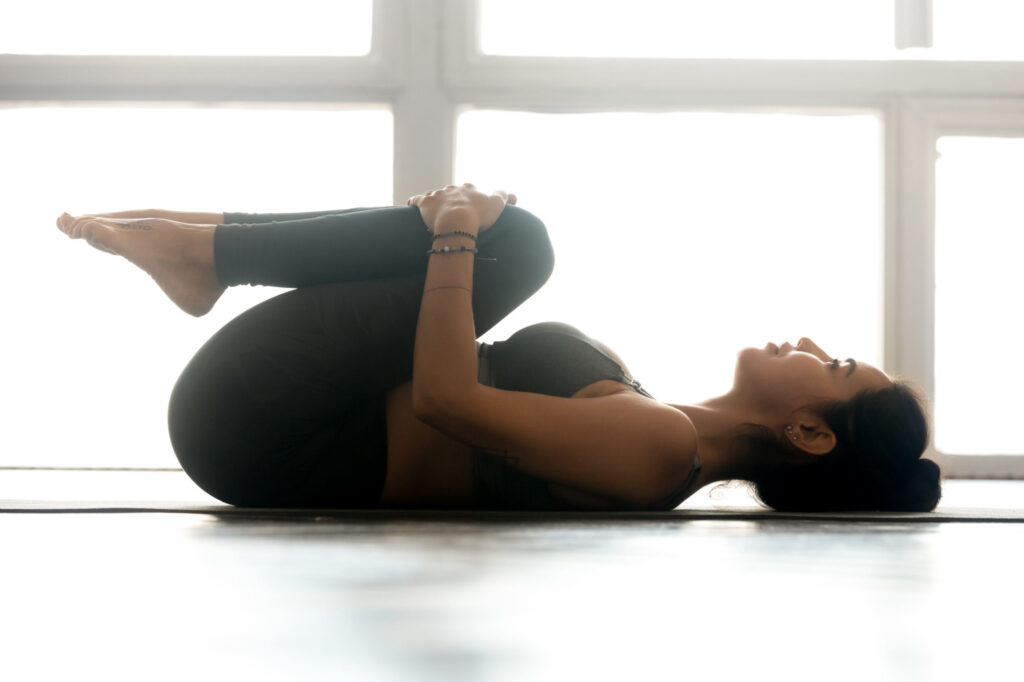
There are bottlenecks in the hips and groins, where the major lymph nodes are situated, which sometimes cause the fluid retention in the legs to be worse. Stretches of the knee to chest aid in opening up the pelvic region and loosening up the hip flexors so that fluid has free passage in the body back to the torso.
Lying on your back, and drawing each knee one after the other towards your chest in a gentle, massaging motion, you massage the abdominal region and open up the deep lymphatic. This is so that by the time the fluid gets out of your legs, it can be properly utilized by the other parts of your body and ultimately excreted by the kidneys.
What is the duration of fluid retention?
Timeline of Temporary Water Weight: 24-48 hrs
In the case of most healthy people, typical water retention caused by lifestyle habits, like a high-sodium meal, a long flight or strenuous exercise, is a transient condition that normally passes in 24 to 48 hours. It is at this window that your kidneys are working to restore the sodium-potassium balance in your blood.
Next, when you get back to normal hydration levels and lower the quantity of salt you take in, your body will get the results that it will not requisite to maintain its reserves of fluid that it requires to survive. That is why you always feel puffy after a fat meal on a Friday evening, but by Sunday morning, the puffiness has always gone away as soon as your metabolism has had time to work.
Monthly Retention Patterns and Hormonal Cycles
When the retention of fluids is associated with hormonal changes, especially the menstrual cycle, the retention period is directly related to your inner biological clock. This form of retention, commonly referred to as cyclical edema, is usually initiated around five to seven days prior to the onset of a period when progesterone concentrations decrease, and estrogen causes sodium to be retained.
In the majority, this swelling is optimal just prior to the cycle and resolves in one to three days after the onset of menstruation. Since this is a systemic hormonal reaction, it may be more chronic than dietary bloating, yet it is a predictable, self-limiting cycle, which can be cleared when the hormone levels have returned to the monthly norms.
Post-Workout Recovery: The 72-Hour Repair Period
When you realize that your legs are becoming heavy or full after a new or vigorous workout, then you are probably experiencing exercise-induced edema, which normally lasts between 48 to 72 hours. This is because intense training brings microscopic rupture of the muscle fibres, resulting in inflammation in the area.
In order to heal this damage, the body sends more blood and white blood cells to the region, leading to temporary retention of fluid as part of the healing process. This pump is an indicator of recovery and tends to disappear once the acute inflammatory period of muscle repair has passed and the tissue has become accustomed to the stress.
Chronic Venous Insufficiency: Retention Becomes Daily
In the case of those with problems with the veins, the length of time during which they retain fluid is not in days, but per day. In contrast to temporary bloating, the retention due to weakened vein valves (Chronic Venous Insufficiency) has a sundown effect: your legs may appear perfectly well and thin-looking in the morning, but, as the day goes on, the swelling slowly worsens.
This cycle recurs every 24 hours without any form of intervention. Since it involves structure and not diet, the retention will persist to recur day after day until compression therapy, movement habits or medical interventions are applied to help the veins push the fluid.
The Effect of Retention due to Medication
The swelling will probably continue until the medication is discontinued because the fluid retention is a side-effect of the medication being used, e.g, blood pressure medications (calcium channel blockers), NSAIDs (ibuprofen), or corticosteroids. In such instances, the medication actively changes the way the kidneys process sodium or the way the capillaries control pressure.
Although alterations in lifestyle, such as raising the feet, may provide some temporary relief, the time limit is practically attached to the prescription. When the medication is stopped (with a doctor watching over), most individuals experience the surplus fluid drained out in three to seven days when the body chemistry gets back to normal.
Travel and Sedentary Swelling: The “Recovery” Phase
Sedentary swelling, e.g., on an eight-hour flight or a full day at work, can usually only last as long as you are sitting, plus several hours of active recovery. This is referred to as “dependent edema,” in which fluid just gathers together since the calf pump is not pumping upwards.
When you start to walk and get your pulse going, the pumping of your muscles normally gets out the pooling in two or four hours. When you raise your legs right after spending a long time sitting you can usually notice a noticeable decrease in the swelling in as short a time as 20 to 30 minutes.
Determining Chronic vs. Acute: The 1-Week Rule
One of the main guidelines concerning fluid retention monitoring is one week. When you have made changes to your diet, drunk more water, and used elevation, but the swelling still has not disappeared after seven consecutive days, then it is not acute any longer as water weight.
The continued retention of this length indicates that the drainage systems in the body (lymphatic system or circulatory) are not able to adequately handle the amount. At this point, the retention is believed to be chronic and should be examined by a professional to check the functionality of the kidneys, heart and veins.
When the Lasting Too Long is a Medical Issue
The length of time that the fluid retention lasts becomes a clinical issue when it is accompanied by pitting—when a hole is left after rubbing the skin- or when it is not resolved within the night. When you wake up, and your legs are as swollen as when you went to bed, the retention must have circumvented the natural drainage period of the body at night.
This indecisiveness is a great warning sign. Although temporary retention is just a few days’ inconvenience, non-resolving swelling may be an element of more significant disorders that should be dealt with by a diagnostic ultrasound or blood tests instead of focusing on the symptoms.
Compression Wear for Swelling: The Science of External Pressure and the Elastique Innovation
Compression therapy is one of the first things vascular specialists, as well as lymphologists, will recommend when it comes to the so-called fast methods of reducing water retention. Compression wear is a mechanical solution, unlike dietary modifications or elevation, which necessitate internal chemical modification or a time block to implement the change.
Compression wear is a real-time solution that operates as you continue with your day. But to see the rationale of why it works and why certain kinds of innovations, such as those of Elastique, are transforming the terrain, we should first take a peep at the physics of the human leg.
The Mechanism: How Gravity is Reversed by Graduated Compression
Failure of pressure management lies at the core of the leg swelling. When you sit/stand, the ankles are under high hydrostatic pressure due to the weight of blood in your veins. When the walls of the veins are not able to hold this pressure or the lymphatic vessels, fluid leaks into the surrounding tissue.
Graduated compression stockings operate by exerting a certain pressure gradient, with the greatest pressure at the ankle and gradually reducing as one goes up the leg. This has three important scientific purposes:
- Vessel Narrowing: Compression of veins decreases their diameter by squeezing them. Fluid dynamics state that a smaller tube accelerates the flow of the fluid, and it assists blood in moving more rapidly to the heart.
- Valvular Support: Swellings, in many cases, are due to leaking venous valves. It is compression that causes these valves to be pushed into each other to enable them to close effectively to avoid the backward flow of blood.
- Interstitial Pressure Balancing: Compression raises the pressure outside the tissues in such a way that fluid can no longer escape the capillaries easily. It basically forces the fluid to flow back into the lymphatic drains.
The Elastique Difference: Coming out of Static Compression
Conventional medical compression is said to be static. Although useful, common beige stockings are challenging to wear, hot, and less functional. It is in this regard that Elastique has brought a major technological turnaround in the industry by including Micro-massage 3D textures.
Micro-Massage vs. Single Squeezing
Whereas typical compression is offered at a steady squeeze, Elastique garments are crafted with a unique 3D-knit design. This texture causes pressure and release on the surface of the skin as you move.
The Lymphatic Pump: This is the lymphatic system, which is situated just below the skin. It lacks a central pump as the heart does; it is dependent upon movement. The textured cloth of Elastique serves as a passive treatment of the lymphatic drainage of the skin and muscles. All those movements will make the fabric gently knead the tissue and open up the initial lymphatic vessels, which will then proceed to vacuum up the fluid.
- Improved Micro-circulation: The 3D ripples also promote blood circulation in the smaller capillaries closer to the skin surface, as this can tend to diminish the appearance of heavy or doughy skin texture that is caused by water retention over the long term.
Compliance and Material Science
Among the most challenging obstacles during the treatment of leg swelling is the so-called patient compliance—people will simply quit wearing their compression, as it is uncomfortable. Elastique tackles this with high-performance material science. They exclude the medical stigma by utilizing breathable, moisture-wicking yarns that can resemble the feel of luxury activewear. This activity allows the users to wear the product during exercises, professional wear, or at the time of long-haul flights without the inconvenience of traditional synthetic hosiery.
Does it Work? What the Research Says
The effectiveness of compression wear is highly documented in the clinical literature. Research done in the Journal of Lymphoedema proved that textured compression garments were very effective in fluid clearance over smooth-knit garments in patients with minor to moderate edema.
Moreover, due to the presence of Occupational Leg Edema (swelling obtained as a result of sitting at a desk all day), a middle level of compression (15-20 mmHg) has been found to decrease end-of-day ankle circumference by an average of 1.5 to 2 centimeters. The score of the heaviness on the users, when also combined with the micro-massage technology of Elastique products, will be more likely to drop significantly, since the dynamic drainage will eliminate the stagnant feeling that sets in by 3:00 PM.
Application: When Compression is the best way to go
The timing will be important in order to maximize the benefits of such products as Elastique.
• The Morning Routine: Put on your compression as early as you can. When the legs are already swollen, the compressing efforts must be exerted twice to squeeze out the fluid. It works far better in warding off the leak than mopping up afterwards.
During Flight and Travel: The pressurized airplane cabin and immobility are a “perfect storm” of retention. Frequent flyers must not compromise on comfort to avoid the economy class syndrome.
• Post-Workout recovery: Micro-massage compression can be utilized by any person who exercises to remove the metabolic waste (such as lactic acid) and superfluous fluid, thereby decreasing muscle soreness.
How do I find out whether my swollen leg is a medical emergency or not?
Even though most of the swelling is lifestyle related, talk to a doctor as soon as possible in case the following are true:
Acute (possible DVT) only leg swelling.
It is painful, red, or hot.
The swelling also has shortness of breath or chest pains.
Why do my swellings get worse in the evening as compared to the morning?
It is usually due to Dependent Edema. The fluid is drawn downwards, into your lower limbs, at the daytime, due to the force of gravity. Lying on your back, you are in a neutral state with gravity, and your lymphatic system will simply be able to pump the fluid back into your bloodstream.
Is magnesium really aid for water weight?
Studies show that magnesium may be consumed as a 200-400mg daily dose to lessen water retention, specifically in premenstrual women. Magnesium aids the kidneys to balance the salt and fluids at the cellular level.
Controlling through Conscious Feeding
The inner workings of your body are fine in operation with sodium and potassium. Deliberate adjustments to your diet, consisting of reducing the amount of processed salt in your diet, decreasing refined sugars that increase insulin levels, and ensuring you take as many complete foods rich in potassium as possible, will give your kidneys the chemical environment they requsite to clear up excess stores effectively. In addition, system reset buttons, like the one raised on the back and contrast hydrotherapy, are required as the overnight relief methods that undo the build-up of hydrostatic pressure that has been experienced in a stressful day.
Can I take a foam roller to help with swollen legs?
Yes. A self-myofascial coming out is foam rolling. You are in a mechanical way pumping out the interstitial spaces by rolling your ankles towards your heart.
Is it better to walk or stand?
When walking it is much better. When standing in a single pose, it results in venous pooling as the calf muscles are not shortening. In case of walking, the second heart (calf pump) is pushed to push blood and fluid upwards, against the force of gravity.
What is Pitting Edema and how do I examine it?
Massage the swollen area (shin or ankle) with your thumb 5 seconds. When you discharge a few seconds later, and the induration continues, then it is Pitting Edema. This implies that the tissue contains a lot of fluid.
What compression in mmHg do I require to wear daily?
Mild (8-15 mmHg) or medium (15-20 mmHg) compression is generally sufficient to control and get rid of the condition daily. Those above normal level (30mmHg and above) are medical grade and should only be applied under the prescription of a doctor.
Can apple cider vinegar reduce the swelling in the legs?
Apple cider vinegar is also abundant in potassium which is a natural antagonist of sodium. You can include this in your diet in moderation and it can aid the kidneys to lose excess salt but this is not to replace medical treatment.
Better to use heat or cold to combat swelling?
Cold tends to be highly effective with acute swelling, as it leads to vasoconstriction (blood vessels narrowing). However, the right way to pump out the fluid in the limbs is the Contrast Hydrotherapy (alternating hot and cold).
Why do I still have water in me after a high-carb meal?
ALl the time grams of carbohydrate that your body stores in glycogen stores approximately 3 to 4 grams of water. In addition, insulin is elevated by high-carb foods, and this puts pressure on your kidneys to reabsorb sodium.
Are there any mentioned vitamins you take to help maintain fluid balance?
Vitamin B6 (pyridoxine) has been clinically proven to assist in decreasing water retention, especially in relation to hormonal changes or PMS.
What is the distinction between Elastique and normal compression socks?
Unlike smooth compression, Elastique is produced using 3D-knit micro-massage texture. This texture is one that leaves the alternate pressure points which massage the skin when touched and this is what is known to massage the lymphatic vessels right under the skin surface to drain the lymph.
Is it true that a salt-bath attracts water?
The epsom salt (magnesium sulfate) baths act through osmosis and inflammation reduction. Magnesium is absorbed by the skin thereby relaxing the muscles and vessels to cure general circulation and drainage.
Is it possible to wear compression stockings to sleep in?
No. Compression is generally developed to oppose the gravitational pull when standing. In the lying position, your circulationatory system will not need any help, and even sleep in them will reduce the circulation.
What is the place of alcohol in swollen ankles?
Alcohol is a diuretic which first makes you dehydrated. In response, the body responds by releasing an anti-diuretic hormone (ADH) that makes itself up by ensuring that the kidneys take every drop of water available, resulting in the rebound bloat.
Does edema respond to dry brushing?
Dry brushing can stimulate the topmost layer of the lymphatic system. It is not so effective as deep muscle contraction (walking) or graduated compression, even though it might be of some assistance.
Why do my legs swell when I fly?
Air pressure in aeroplanes is less and your calf muscles cannot pump due to sitting for a long time. This kind of mix provides an allowance for liquids leaking out of your capillaries into the tissues of your lower legs.
Does being overweight result in more water retention?
Yes. The additional weight as body fat can place physical strain on the lymphatic system and the veins, and the fluid will not easily be transported back to the torso. Weight loss normally significantly improves the symptoms of heavy legs.
On which days will I take the final observation by raising my legs?
To elevate your legs above your heart for at least 20-30 minutes to promote good drainage. The second thing to experience is that of the apparent reduction of swelling and lightness in the limbs.
.
Conclusion: Toward a Future of Lighter, Healthier Legs
The control of water retention in the legs is not just a problem of solutions, but it’s a required treatment of the circulatory and lymphatic systems. The feeling of having heavy legs, as we have discussed, is the physical expression of an elaborate hydraulic fight that goes on in your body. Your system is fighting the unrelenting force of gravity, the physiological effects of modern sedentary living, and chemical stimuli lurking in our modern diets every day. But the science is simple: when we know these mechanisms, we can get out of passive pain and get into active management.
The Motion and Mechanical Support Synergy
The multifaceted approach is the most effective route for reducing leg swelling fast. The most powerful internal ally is the calf muscle pump, which is mechanical. When you make it a habit of making a regular, repetitive movement, be it a brisk walk, ankle pumps at your desk, or a specific yoga pose or two, it gives the needed manual movement to help your veins in the uphill struggle.
Adding to this, high-performance mechanical aids like the micro-massage technology available in Elastique compression wear enable passive lymphatic drainage even on the busiest workdays or the longest flights. These innovations demonstrate that compression therapy is no longer required to be a medical burden that is restrictive but can be a smooth, seamless luxury that is part of healthy living.
When to See a Professional
While lifestyle habits cause swelling, persistent edema in only one leg, or swelling accompanied by redness, heat, or shortness of breath, necessitates an immediate consultation with vein expert to rule out serious states like DVT (blood clots).

Millions of people – especially in the U.S. – are living the same lifestyle I was.
Sitting for 8–10 hours a day, Feeling tired without clear reason, Dealing with swelling, heaviness, or bloating, Thinking it’s just “normal”
But it’s not something you have to ignore. Your body is always communicating. You just need to understand the signals. So I have created this blog article may useful for you. If you need more information, contact me in the contact page.